

Esta transcrição foi gerada automaticamente por Inteligência Artificial e pode conter erros ou imprecisões.
The building's exploding right now. You got people running up the street.
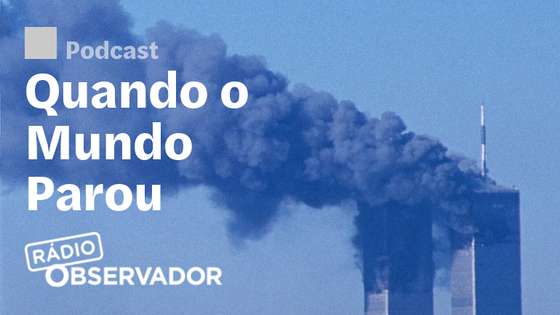
Another passenger plane hitting the World Trade Center. The Twin Towers of the World Trade Center, both of them being damaged by impacts from planes. We saw one- It is a very hard thing to watch.
11 de setembro de 2001, 8 horas da manhã. O polícia Scott Strauss termina o turno da madrugada. A caminho de casa, no metrô, ouve na rádio que um avião tinha batido nas Torres Gêmeas. Em casa, pela TV, assiste ao segundo embate. Nesse momento, voltou para Manhattan. Scott Strauss é agora presidente da vila de Mineola, no estado de Nova York. Em 2001, pertencia ao Departamento de Polícia da cidade de Nova York, trabalhava na Unidade de Serviços de Emergência. Foi um dos heróis do dia 11 de setembro. Seguimos esta entrevista em inglês. Scott, where were you on that day? Onde estava no dia 11 de setembro e como soube dos ataques?
On September 10th, I went to work at midnight.
No dia 10 de setembro, fui trabalhar à meia-noite, fiz o turno da madrugada e deixei o trabalho na baixa de Manhattan por volta das 8 horas da manhã do dia 11 de setembro. Estava a ir para casa, a ouvir a rádio, quando disseram que um avião tinha atingido uma das torres do World Trade Center. Eu não consegui perceber qual a dimensão da destruição, qual o tamanho do avião. Só me apercebi quando cheguei a casa e liguei a televisão. Nesse momento, vi toda aquela fumo e aquele buraco na torre.
Until I got home and turned on the TV, and then I saw that big gaping hole. I yelled to my wife that-
Gritei pra minha mulher que um avião tinha atingido as torres. Os meus dois filhos tinham começado a escola nesse dia, tinham nove e seis anos, e já com minha mulher ao lado, a ver televisão, assisti ao segundo embate. Soube de imediato que estávamos a ser atacados e que tinha de voltar para o trabalho.
We were under attack and I had to get back to work.
Portanto, viu essas imagens pela televisão, já em casa, depois de trabalhar toda a noite.
Yes, sir.
E o que fez?
I got into my car and I raced back into Manhattan. When I came up through the Midtown Tunnel into Manhattan, there were-
Entrei no meu carro e voltei para Manhattan. Quando entrei nos túneis, estava imenso trânsito. E aí os civis estavam a tentar despedir a passagem para as autoridades. Foi assim que eu consegui passar. Cheguei ao meu edifício na Rua 21. Eu era, na altura, membro da Divisão de Serviços de Emergência da Polícia de Nova York, que é a equipa que trabalha com situações de resgates.
At the time of the Emergency Service Unit, which is the Special Weapons and Tactics team and rescue team of the police department. The police officers that relieved me that morning were already down at the Trade Center, performing rescues. They were in the buildings.
Os polícias que me renderam o turno da manhã já estavam junto do World Trade Center a realizar resgates, estavam dentro dos edifícios. Os restantes polícias, como eu, que estavam fora de serviço, juntámo-nos e começamos a juntar também armas e até metralhadoras, porque estávamos sob ataque. Não sabíamos o que poderíamos enfrentar.
'Cause we were under attack. We had no idea what was gonna happen next. They had to protect the city.
Portanto, estavam equipados não só com utensílios para realizar os resgates, mas também com várias armas.
Yeah, absolutely.
Sim, na altura, não existiam militares em Nova York, cabia à polícia proteger a cidade. Portanto, recolheram o material necessário, organizaram as equipas e foram para o Ground Zero.
That's correct. We raced down to the Trade Center, and it was called the Trade Center for many-
Sim, fomos para o Trade Center, na altura ainda lhe chamávamos assim, durante semanas, depois passou a ser The Pile e só depois Ground Zero. O meu grupo chegou a essa zona pouco depois da segunda torre ter colapsado.
My group got down to the Trade Center just as the second tower had finished collapsing.
E o que encontraram?
Two collapsed, massive buildings. Two nine-story buildings, building four and building five, were burning.
Dois edifícios gigantescos colapsados, dois edifícios de nove andares a arder do chão ao topo. Outros edifícios também estavam em fogo, outros tinham colapsado. Muitas pessoas cobertas de pó. Os meus colegas que resistiram juntaram-se a nós. Juntámo-nos numa área segura e dividimo-nos em equipas. Fizemos duas equipas, uma de tática e outra de resgate.
And then we would divvy it up into teams. We were assigned to two groups, one being tactics and the other being rescue.
E o Scott estava na de resgate.
I was on the rescue side. The police officers assigned to tactics were set up a perimeter around-
Sim, os polícias na equipa de tática estabeleceram um perímetro de segurança para responder a um eventual ataque. Eu fui pra equipa de resgate e fomos à procura de sobreviventes. Procurei durante todo o dia e não encontrei ninguém até ao período da noite.
And didn't find anybody till late at night.
Portanto, trabalhou toda a noite, de madrugada, foi a casa, voltou para trabalhar, para Manhattan, e trabalhou todo o dia para encontrar sobreviventes. Encontrou?
Yeah. All day long, we were searching for survivors, but we weren't finding any.
Durante todo o dia procurámos sobreviventes, mas não encontrámos ninguém. Só encontrávamos corpos e partes de corpos. Depois, por volta das 17h, 17h20, o edifício sete, outro dos edifícios, colapsou. Voltámos a sair, voltámos a organizar e voltámos a entrar.
And to reorganize and get ready to go back in
Fomos informados que estavam dois policiais presos no meio dos escombros. Pensamos que eram policiais como eu, que tinham vindo depois do edifício colapsar e que não conseguiam sair por estarem feridos de alguma forma. Mas quando lá chegamos, percebemos que estavam enterrados, dois policiais muito enterrados, com graves ferimentos, e decidimos começar a operação de resgate.
Estava sozinho ou com ajuda?
Não, esses dois policiais foram encontrados por dois marines que durante o dia souberam da tragédia e foram até aos escombros para ajudar. Foi quando estavam à procura que se cruzaram com estes dois policiais e comunicaram-nos. Nesse momento, o meu grupo, éramos cerca de seis, avançámos. Começámos por subir o monte de escombros, trepar por todo aquele pedaço de metal. Chegamos até eles e descemos até ao buraco em que conseguiram alcançá-los. Um dos marines foi conosco e começamos a escavar, a tentar aproximar-nos.
Estamos a falar de que distância?
O primeiro buraco era de cerca de dois metros e meio e depois daí tínhamos de avançar mais uns seis metros. Estamos a falar de um buraco com pequenas passagens entre o metal, aberturas minúsculas. Não tinham mais espaço do que a distância entre o chão e a cadeira em que está sentado. Tínhamos de nos contorcer entre o metal. Enquanto estávamos a descer, eu, para mim, disse adeus aos meus filhos. Nenhum de nós achou que iria sair dali com vida. Novamente para mim, pedi aos meus filhos para tomarem conta da mãe, para me deixarem orgulhoso e para estudarem. Nós estávamos numa situação em que ninguém deveria estar. Encontrámos o polícia Dominic Pozzulo, que estava esmagado, estava morto, e ao lado, a cerca de cinco metros, estava o agente Will Jimeno, que estava enterrado. Parecia que tinha saído de um caminhão do lixo. Estava coberto de destroços, exceto a cabeça e o braço direito. Só conseguimos chegar até ele por uma pequena passagem, onde apenas uma pessoa conseguia passar. E com as nossas mãos, começamos a escavar por essa passagem. Eu e meu colega fizemos turnos. Só podíamos estar naquela área por alguns minutos por causa do fumo, do pó e do calor do fogo.
E conseguiram ver o que se passava? Por vezes, mas muitas vezes, por causa do fumo, não conseguíamos. O local estava a arder.
Sim, o monte em que estávamos estava a arder. A certa altura, conseguimos tirar o agente Will Jimeno, demorou cerca de três horas. Depois, outros policiais precisaram de quase nove horas para retirar o sargento McLoughlin. Eles estavam tão mal que nós achávamos que não iam conseguir sobreviver à tentativa de resgate, mas sobreviveram.
Sobreviveram todos, os que estavam presos e os que fizeram o resgate.
Eles dois sobreviveram, ainda estão vivos, mas com ferimentos. Muitos dos policiais e bombeiros que estiveram no resgate acabaram por morrer com doenças relacionadas com o 11 de setembro, como cancro.
Tem alguma doença?
Eu tenho. Não tenho cancro ainda. Tenho vários problemas respiratórios, já fiz várias cirurgias e provavelmente vou ter mais. Mas com isto dito, eu estou vivo. Vi os meus filhos crescerem. Muitos dos meus colegas não viram. Espero conseguir ver os meus filhos a casar e terem filhos. Se a minha vida for reduzida, e tenho a certeza que vai ser, estou bem com isso. Muitos amigos meus não tiveram essa oportunidade.
Passam agora 20 anos. Olhando para tudo o que passou, as doenças, colegas feridos, outros que acabaram por morrer, voltaria a fazer o mesmo?
I think all of the rescuers that were there that day, the ones who have survived, the ones who have passed, and the rescuers who are in these positions today, who are occupied by current police officers today, or EMS positions, would go back to that and do the same exact thing that we did that day. That's what we're trained to do. That's what we signed up to do. And that's what, God forbid, it happens again, the rescuers of today will do.
We are doing a lot of interviews this week and everybody that's talking to us in the last week, they say the day started with terror and it ended with unity. The whole nation and all the community of New York united trying to rescue and looking forward from that attack. You think at the end of the day, America was stronger, united after the attack?
Without a doubt, absolutely they were. The patriotism that was displayed on September 11th and the weeks and months afterwards was just tremendous. The entire nation pitched in to help. Donated clothing, food, donated equipment, write-in cards to the rescuers. We got all that stuff. We needed all that stuff. Knowing that the entire nation was behind us got us all through that day and the weeks and months afterwards. We wouldn't have been able to do that without the support of the entire nation.
Scott, how many days you worked in the debris trying to rescue and trying to find survivors?
I was there from September 11th to the night of October 3rd, straight through, going home, trying to go home, even if it was just for a couple of hours a day to see my boys because I really felt that was important. And after going home, I spent about two hours with them. I was lucky and received another call and I was involved in a serious auto accident with my police truck. And I was taken out of the game, so to speak, with my injuries. And then I was back working in January.
You had an important role on these rescues, but a lot of first responders, police officers, and firemen died that day trying to rescue survivors in the building and around the building. How many colleagues you lost on 9/11?
I lost only 14 friends. I say only because I know that there's people that lost more. I had 13 police officers from the New York City Police Department who died that day, 14 from my unit. Another 37 officers from the Port Authority Police Department and the New York City Fire Department also died that day for a total of 343. Sadly, those numbers will change. The numbers that will change will probably surpass the numbers of people who died on September 11th, will be the people who will die since 9/11 from 9/11 illnesses and cancers.
How do you deal with this every year on this day, 9/11, what do you do? And how it's been dealing with this?
Every year it's difficult to deal with. The time is supposed to heal wounds. It doesn't. Sometimes it makes it harder. Every year I come to work on September 11th and I'm with friends who are still alive. I do not go down to the Trade Center. We go down to the building where we used to work. We have a breakfast, we have a ceremony for our friends, and we catch up on how each other is doing. And then I go home and spend the rest of the day with my family.
It's now 20 years from that day. Looking back and to what you have now in your life now, you are president of Mineola, a small town in the state of New York. You serve and you still serve your community. But looking back into the day, what do you think 9/11 have changed in your life?
9/11 changed the entire world, certainly in the United States. We are more diligent in protecting us, our police departments, our firefighters are more diligent in what they do. Traveling by plane is more secure conscious. We've lost our sense of innocence that day. We can no longer travel internationally with the ease that we had prior to 9/11. It made everybody more aware of their surroundings, both at home and abroad. I think it's changed the entire world.
Scott, thank you very much. Thank you for this talk, this conversation. So thank you very much.
Thank you very much. And I want to say thank you to the entire world for supporting us. Not only here in New York on September 11th, but also in Washington and in Pennsylvania. We couldn't have done it without you. Thank you.
Scott Strauss continua a servir a comunidade. Diz que vai continuar enquanto tiver forças. É um dos heróis do 11 de setembro. Resgatou com vida dois polícias que ficaram presos nos escombros. Scott Strauss fica na história do 11 de setembro, o dia que mudou o mundo.
The building's exploding right now. You got people running up the street. Another passenger plane hitting the World Trade Center. The Twin Towers of the World Trade Center, both of them being damaged by impacts from planes. We saw what happened. That is a very hard thing to watch. We need that award.